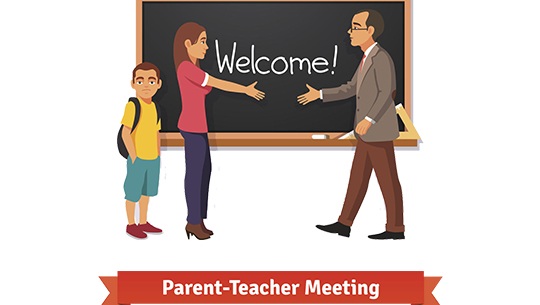

Education today goes far beyond textbooks and examinations. A child’s learning journey is shaped not only by what happens in the classroom but also by the support and guidance they receive at home. In this changing educational landscape, strong parent–teacher partnerships have become more important than ever. When parents and teachers work together with a shared purpose, students benefit academically, emotionally, and socially.
Building a Strong Support System for Students
Children perform best when they feel supported from all sides. Teachers observe students in a structured learning environment, while parents understand their child’s personality, habits, and emotional needs at home. When these two perspectives come together, it creates a complete support system. Regular communication helps identify a child’s strengths early and address challenges before they grow into larger issues. This collaborative approach ensures that no student feels overlooked or misunderstood.
Enhancing Academic Performance Through Collaboration
When parents are aware of classroom expectations, teaching methods, and academic goals, they can reinforce learning at home. Simple actions—such as monitoring homework, encouraging reading, or discussing school activities—help children stay engaged and motivated. Teachers, in turn, can guide parents on how best to support learning without creating pressure. This balance leads to improved academic performance and a more positive attitude towards studies.
Supporting Emotional and Social Development
Education is not limited to academics alone. Emotional well-being, confidence, and social skills are equally important for a child’s overall growth. Open parent–teacher communication helps identify emotional or behavioural changes early, whether related to stress, peer interactions, or self-esteem. Addressing these concerns together creates a safe and nurturing environment where students feel understood and valued.
Encouraging Discipline and Understanding School Values
Schools follow specific values, discipline policies, and learning philosophies that shape student behaviour. When parents are aligned with these principles, children receive consistent guidance both at home and at school. This consistency reduces confusion, builds discipline, and helps students develop respect for rules, teachers, and peers. A shared understanding of expectations plays a key role in shaping responsible and confident individuals.
Improving Communication and Trust
Strong partnerships are built on trust and transparency. Parent–teacher meetings, regular updates, and open discussions create a healthy communication channel. When parents feel comfortable approaching teachers with concerns or feedback, and teachers feel supported by parents, it strengthens the overall school community. Trust fosters cooperation and ensures that decisions are always made in the best interest of the child.
Preparing Students for Future Challenges
Today’s students face a rapidly changing world that demands adaptability, critical thinking, and strong values. Parent–teacher partnerships help guide children through academic pressures, social influences, and career-related decisions. When adults work together as mentors, students learn to face challenges with confidence and resilience—skills that remain valuable throughout life.
A successful education system is built on collaboration, communication, and shared responsibility. Parent–teacher partnerships are not optional—they are essential in shaping well-rounded, confident, and capable students. When schools and families work hand in hand, children receive the guidance they need to grow not only as learners, but as responsible individuals ready for the future.
At The Shantiniketan School, we believe that education is a collective journey—one that flourishes when parents and teachers walk together for the benefit of every child.