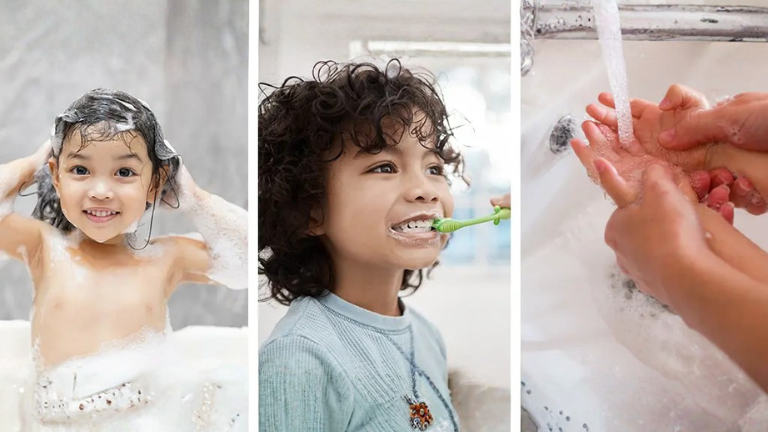

Good hygiene isn’t just about looking neat, it plays a major role in how children feel, behave, and perform at school. When students learn the right habits early, they carry them confidently into adulthood, staying healthier and more responsible. Schools, being shared spaces, demand extra care because one child’s habits can influence the health and comfort of many others.
Here are some essential hygiene habits every school-going child should develop early in life:
Regular Handwashing Is The First Line of Defence
Handwashing may sound simple, but it is one of the most powerful habits for preventing illnesses. Children’s hands come in contact with desks, playground equipment, books, and countless shared surfaces. Teaching them to wash their hands properly with soap, for at least 20 seconds helps stop the spread of common infections like colds, flu, and stomach bugs. It’s important for students to wash their hands before eating, after playing outside, after using the restroom, and whenever they cough or sneeze into their palms. Once this becomes routine, it greatly reduces sick days and keeps classrooms healthy.
Keeping Nails Trimmed and Clean
Long, dirty nails can trap dust, germs, and even harmful bacteria without children realizing it. By keeping nails short and clean, kids avoid transferring germs into their mouths or food. This simple habit also prevents painful nail infections and reduces the chances of scratching themselves or others. Schools can encourage nail hygiene by including reminders during assemblies or weekly inspection routines in younger classes.
Proper Oral Care for a Confident Smile
Oral hygiene is not just about having clean teeth, it directly affects confidence, concentration, and long-term health. Children should brush their teeth twice a day, use the right brushing technique, and avoid too many sugary snacks that lead to cavities. Dental problems often cause discomfort and make it difficult to focus in class. Encouraging regular dental checkups and forming a culture of oral care at home and school helps children maintain strong, healthy smiles.
Bathing and Wearing Fresh, Clean Uniforms
A clean body and fresh clothes can make a child feel more energetic and ready to learn. Bathing daily removes sweat, dirt, and germs that accumulate throughout the day. Wearing clean uniforms prevents skin infections, body odour, and discomfort. Students who feel clean also tend to feel more confident and positive throughout the school day. Schools can support this by teaching children why cleanliness is linked to self-esteem and good manners.
Using Handkerchiefs or Tissues While Sneezing and Coughing
This habit is essential for maintaining hygiene in crowded environments like classrooms. Sneezing or coughing without covering the mouth can quickly spread infections to others. Teaching children to use a handkerchief or tissue and dispose of the tissue properly, helps create a safe and considerate environment. Schools can reinforce this habit by keeping tissues accessible and integrating it into daily routines.
Keeping the Classroom and Personal Belongings Clean
Children should learn to keep their desks, bags, water bottles, and lunchboxes clean. Dirty belongings can become breeding grounds for bacteria and attract pests. Regular cleaning also teaches responsibility and discipline. Schools can encourage weekly “clean-up periods” to make students more aware of their surroundings and understand the importance of shared cleanliness.
Maintaining Good Toilet Hygiene
Proper toilet etiquette is often overlooked but extremely important. Students should know how to flush after use, wash their hands thoroughly, and avoid touching unnecessary surfaces. Good toilet hygiene prevents the spread of germs and ensures the facilities remain clean for everyone. Schools can guide children through posters, demonstrations, and regular reminders.
Staying Hydrated and Using Personal Water Bottles
Sharing water bottles is a common but unsafe habit among children. Each child should carry their own clean bottle to avoid the transfer of germs. Drinking enough water keeps them healthy, improves focus, and supports overall hygiene. Cleaning the bottle daily is equally important to prevent bacterial buildup.
Building hygiene habits early in life forms a strong foundation for a healthy future. When schools and parents work together, children not only stay safe from infections but also develop discipline, confidence, and respect for their surroundings. Teaching these habits is more than a routine, it is a lifelong investment in a child’s well-being.